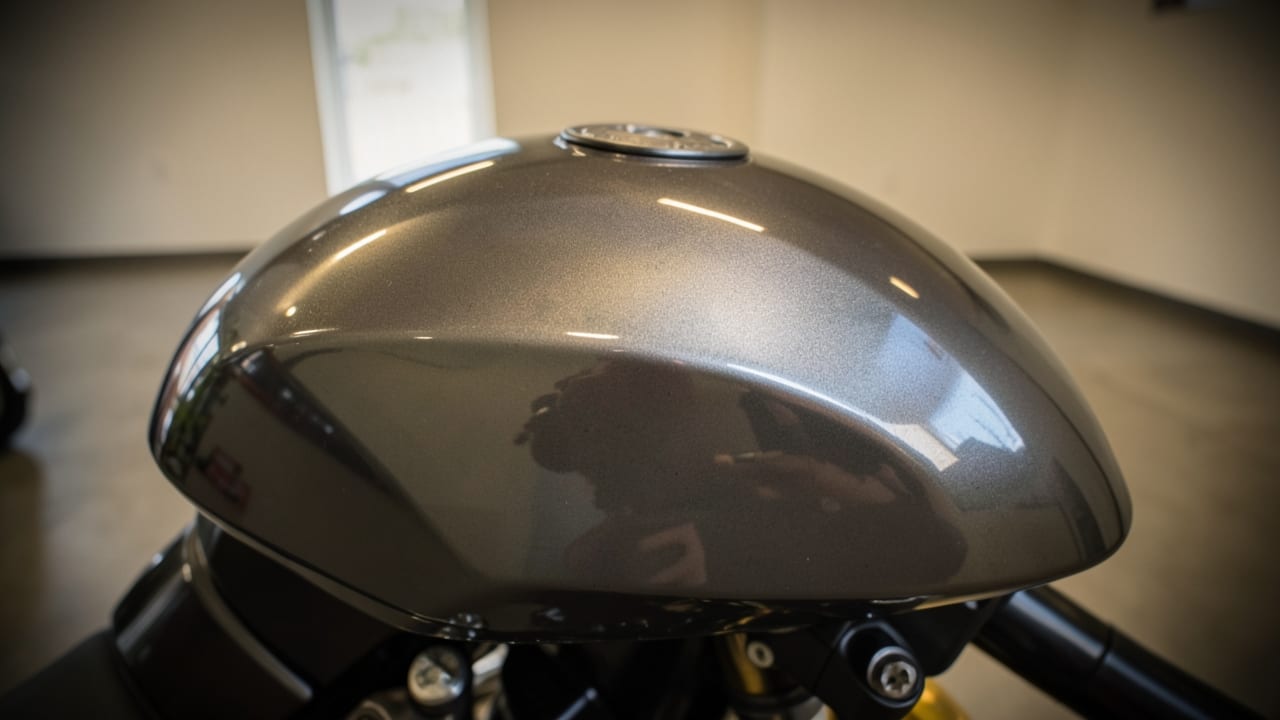
Motorcycle Ceramic Coating
Professional application of ceramic coating to protect motorcycle paint and surfaces from damage.
Motorcycle ceramic coating in Houston creates a protective liquid polymer layer over your bike’s paint, shielding it from scratches, UV damage, and contaminants. This process involves thorough cleaning and prep to ensure a smooth, even finish that enhances gloss and extends the life of your motorcycle’s paintwork.
When is ceramic coating needed?
Ceramic coating is ideal for motorcycles that show signs of wear or have lost their original shine. If your bike’s paint no longer beads water smoothly or appears dull even after washing, it’s a sign the protective layer has worn off.
We also handle Road Tar Removal and Bug Splatter Removal for Houston vehicles.
Fine swirl marks, especially noticeable under direct sunlight or a flashlight, also indicate the need for correction and coating.
Motorcycles exposed to Houston’s mix of humidity, road grime, and brake dust accumulate contaminants that standard washing can’t remove. These contaminants bond to the clear coat over time, creating a rough surface that traps dirt and dulls the finish.
A ceramic coating restores that smooth, glass-like surface while adding long-term protection.
Signs Your Motorcycle Needs Ceramic Coating
- Water spreads instead of beading on the paint surface.
- Paint appears dull or hazy immediately after washing, rather than glossy.
- Fine swirl marks are visible under raking light or direct sunlight.
- Fingertips feel small bumps or roughness when lightly dragged across the paint.
- The motorcycle has been washed regularly but still shows embedded brake dust or road tar.
What affects pricing and timing?
The price of motorcycle ceramic coating depends on the bike’s size, the extent of paint correction needed, and the type of coating applied. Single-layer coatings are typically more affordable, while multi-layer or advanced formulations like graphene-based coatings offer longer protection but cost more.
The time required varies based on prep work—decontamination, clay bar treatment, and paint correction add to the total hours.
Motorcycles with heavy contamination or deep swirl marks require additional steps to restore the paint before coating. These extra steps ensure the coating bonds properly and lasts longer.
The process is performed in a controlled environment to maintain ideal humidity and temperature, which can affect scheduling during Houston’s extreme heat or rain.
| Factor | Impact on Pricing/Timing |
|---|---|
| Bike Size | Larger bikes (e.g., touring models) take longer to prep and coat than smaller bikes. |
| Paint Condition | Heavily contaminated or swirl-marked paint requires extra correction steps, increasing time and cost. |
| Coating Tier | Single-layer coatings cost less than multi-layer or advanced formulations like graphene. |
| Seasonal Weather | Extreme heat or humidity may require adjustments to the curing process, delaying completion. |
Common misconceptions about ceramic coating
Many riders assume ceramic coating will stop rock chips or deep scratches, but it primarily protects against light swirling and UV damage. While it adds hardness to the paint, it doesn’t replace impact protection.
Another myth is that coating can be applied directly over existing swirl marks—this locks the texture in permanently, making correction essential for a smooth finish.
Some also believe that once coated, a motorcycle never needs washing again. In reality, proper maintenance—like using a two-bucket wash method and pH-neutral soap—is critical to preserve the coating’s lifespan. Skipping these steps can lead to premature wear or bonding failure.
Ceramic coating does not replace physical protection (e.g., windshields, fairings, or body armor). It does not stop rock chips, dents, or deep scratches caused by impacts. It also does not eliminate the need for regular cleaning—contaminants left on the surface can degrade the coating over time.
How motorcycle ceramic coating works
This process transforms your bike’s paint with a protective polymer layer, starting with deep cleaning and ending with a glossy, durable finish.
- 1Foam Pre-Wash and Wheel Cleaning
The motorcycle undergoes a foam wash to remove loose dirt, followed by a separate cleaning of wheels and tires using dedicated mitts. This prevents brake dust and grime from transferring to the paint during prep.
- 2Chemical Decontamination
Iron remover strips embedded brake-dust particles, and tar/bug remover lifts road residue. These chemicals target contaminants below the surface that washing alone can’t reach, ensuring a clean base for coating.
- 3Clay Bar Treatment
A lubricated clay bar or mitt is worked across every panel to physically remove bonded contaminants like overspray or industrial fallout. The surface is considered ready when it feels smooth to the touch.
- 4Paint Inspection and Correction
Under raking light, swirl marks and scratches are identified. A correction polish is applied to these areas to restore a flawless surface before coating, as imperfections would otherwise be sealed under the polymer.
- 5Coating Application and Cure
The coating is applied panel by panel in a dust-free environment with controlled humidity and temperature. The bike is left undisturbed for the full cure time—typically 24–72 hours—before exposure to water or washing.
Frequently asked questions
How long does motorcycle ceramic coating last?
The lifespan varies based on maintenance, climate, and the coating tier used. Single-layer coatings typically last 1–3 years, while multi-layer or advanced formulations can last 3–5 years or longer with proper care. Houston’s humidity and road grime can accelerate wear if washing habits aren’t adjusted.
Can I wash my motorcycle right after coating?
No. The coating requires a full cure period—usually 24–72 hours—before exposure to water. Washing or driving through rain too soon can cause water-spot marks or bonding issues. Follow the provided maintenance guide for the safe curing window.
Will ceramic coating make my bike’s paint look brand new?
It enhances gloss and protects against light scratches, but it won’t hide deep imperfections or restore faded color. Prep steps like correction polish address existing damage, while the coating adds a glossy, protective layer over the repaired surface.
Do I need to remove my motorcycle’s handlebar grips or mirrors before coating?
Yes. Components like grips, mirrors, and decals must be removed to ensure even coverage and prevent contamination. The shop will typically handle this as part of the prep process, but it’s best to confirm during your consultation.
Where Houston sits, and what the Census lists nearby
Houston sits in Texas, and the closest places listed in the U.S. Census Gazetteer are West University Place (5.5 miles southwest), Hilshire Village (6 miles west), Southside Place (6 miles southwest), Hunters Creek Village (6.6 miles west).
Within 25 miles of Houston the same source lists 48 distinct incorporated places and census-designated places.
Those figures matter for motorcycle ceramic coating because they are straight-line distances between Census coordinate points: road mileage between Houston and West University Place runs longer than the 5.5 miles shown, which is why quotes for the same job differ between towns that look close together on a map.
Source: U.S. Census Bureau Gazetteer.
See Katy, TX for more, or browse the rest of our Houston lineup at a glance for our complete lineup.
Ready to get started?
Talk to a local ceramic coating pro in Houston — get a written quote.
Other Ceramic Coating Services in Houston
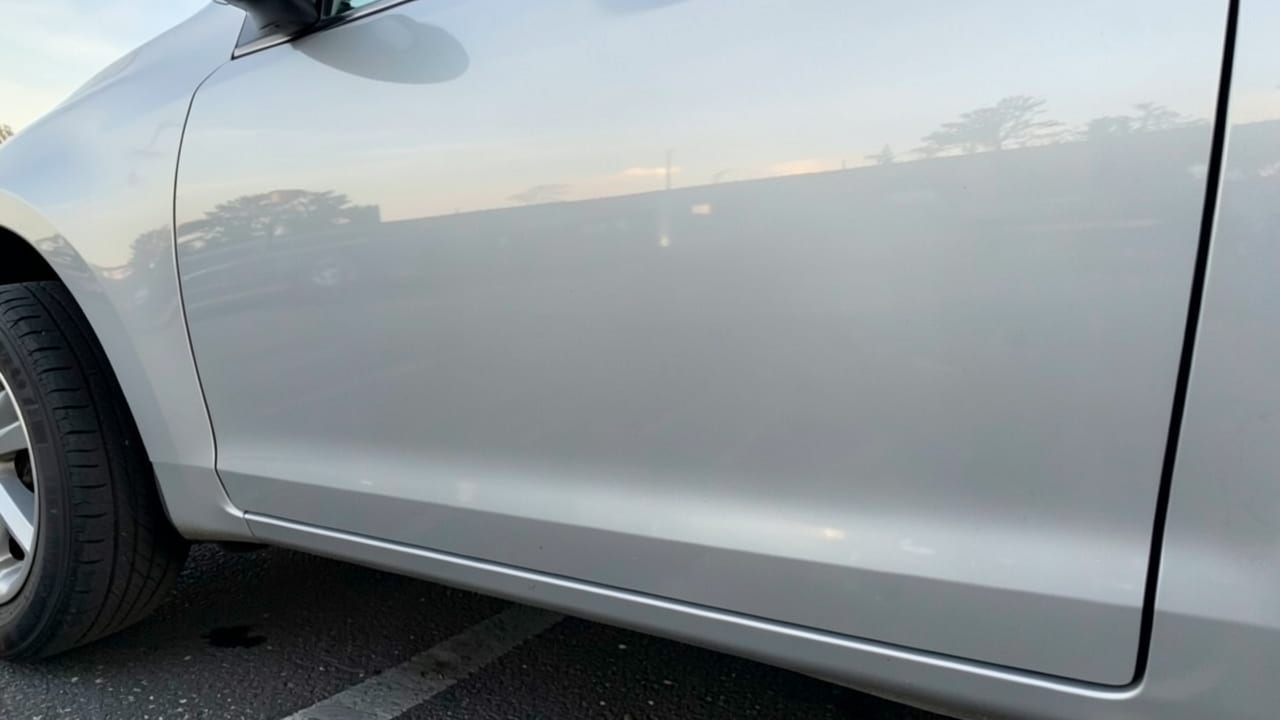
Road Tar Removal in Houston, TX
Professional removal of road tar from vehicle paint using safe, ceramic-friendly methods.
Learn More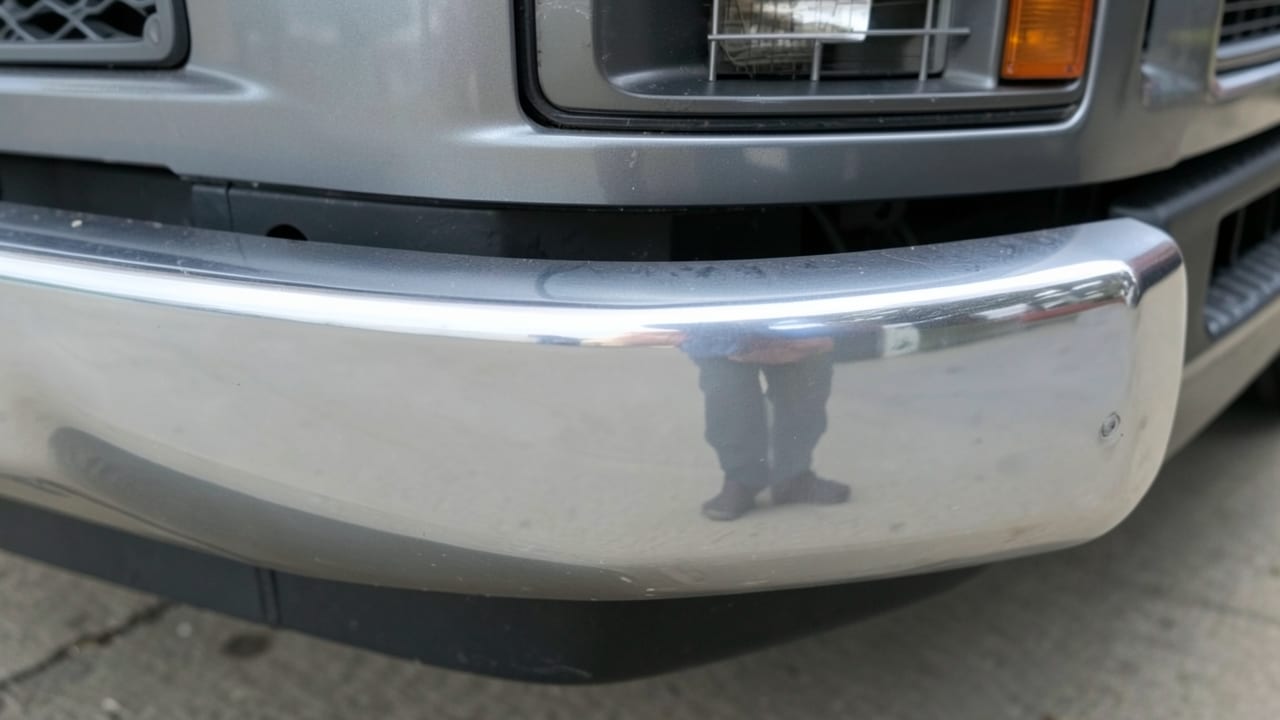
Bug Splatter Removal in Houston, TX
Professional removal of insect residue from vehicle paint without damaging the ceramic coating or finish.
Learn More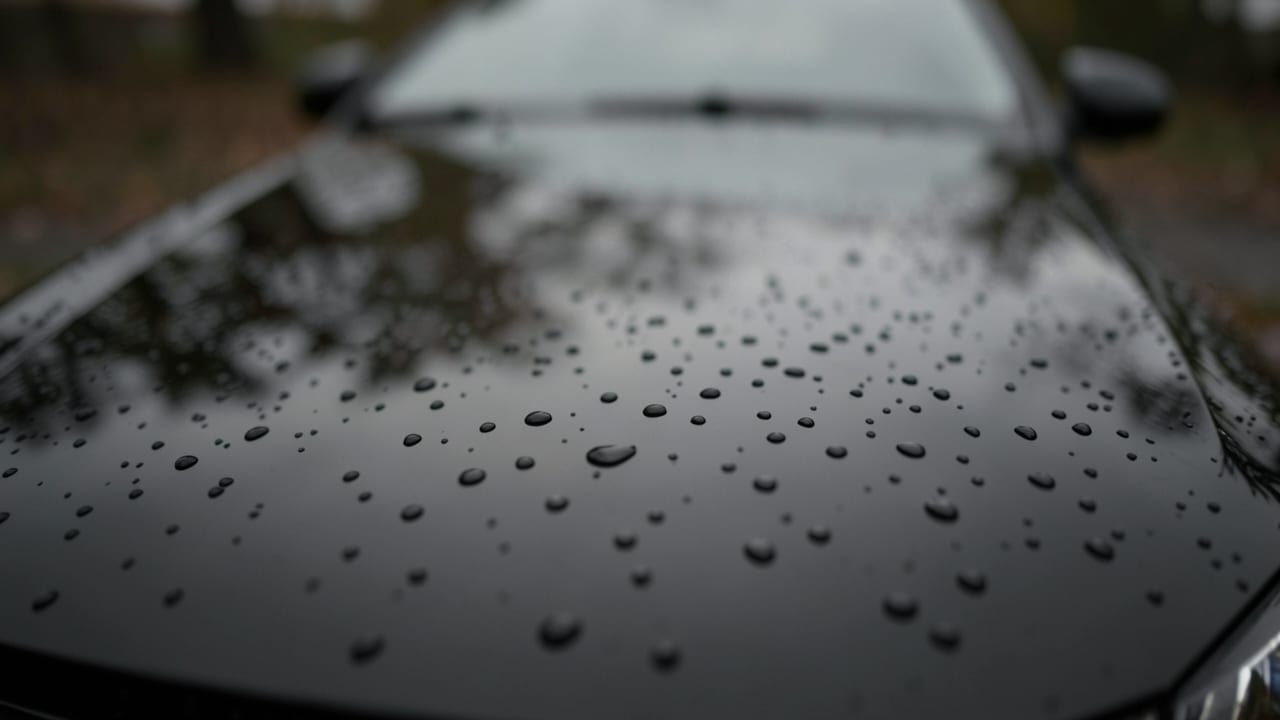
Pre-Winter Paint Sealant Application in Houston, TX
Professional application of ceramic-based sealant to protect vehicle paint before winter.
Learn More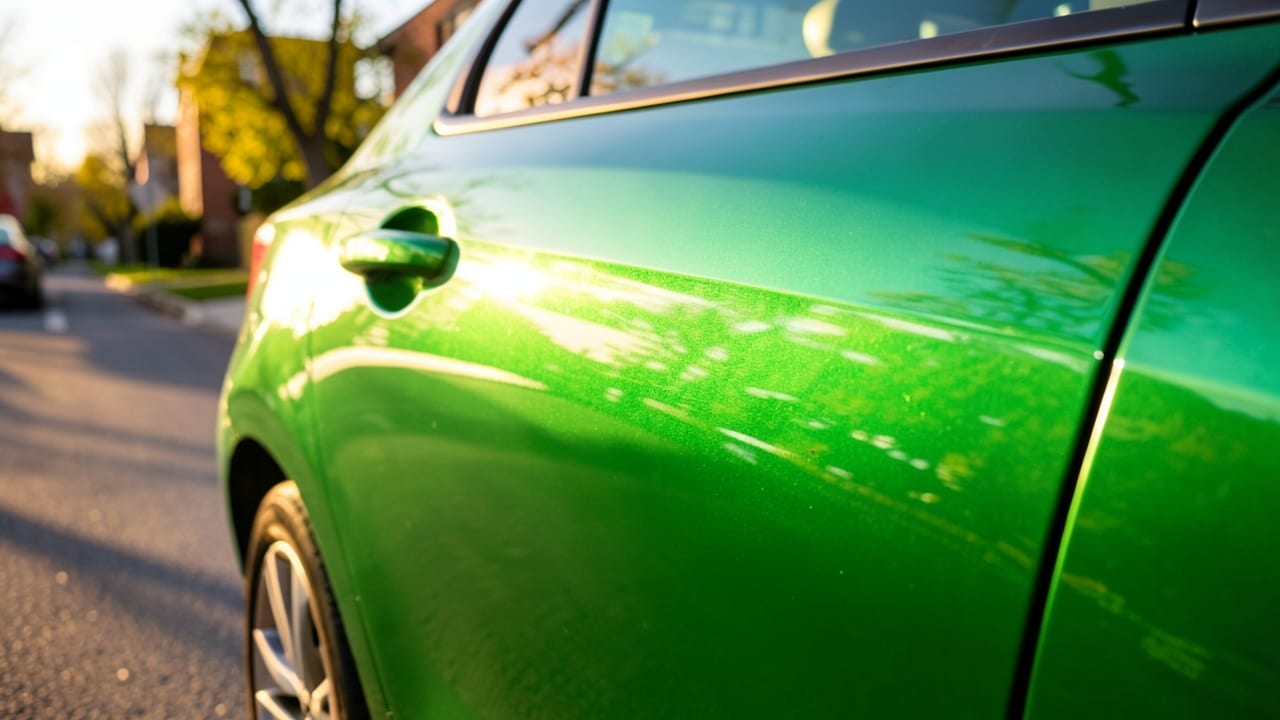
Spring Paint Rejuvenation in Houston, TX
Ceramic coating and paint correction to restore and protect vehicle surfaces.
Learn More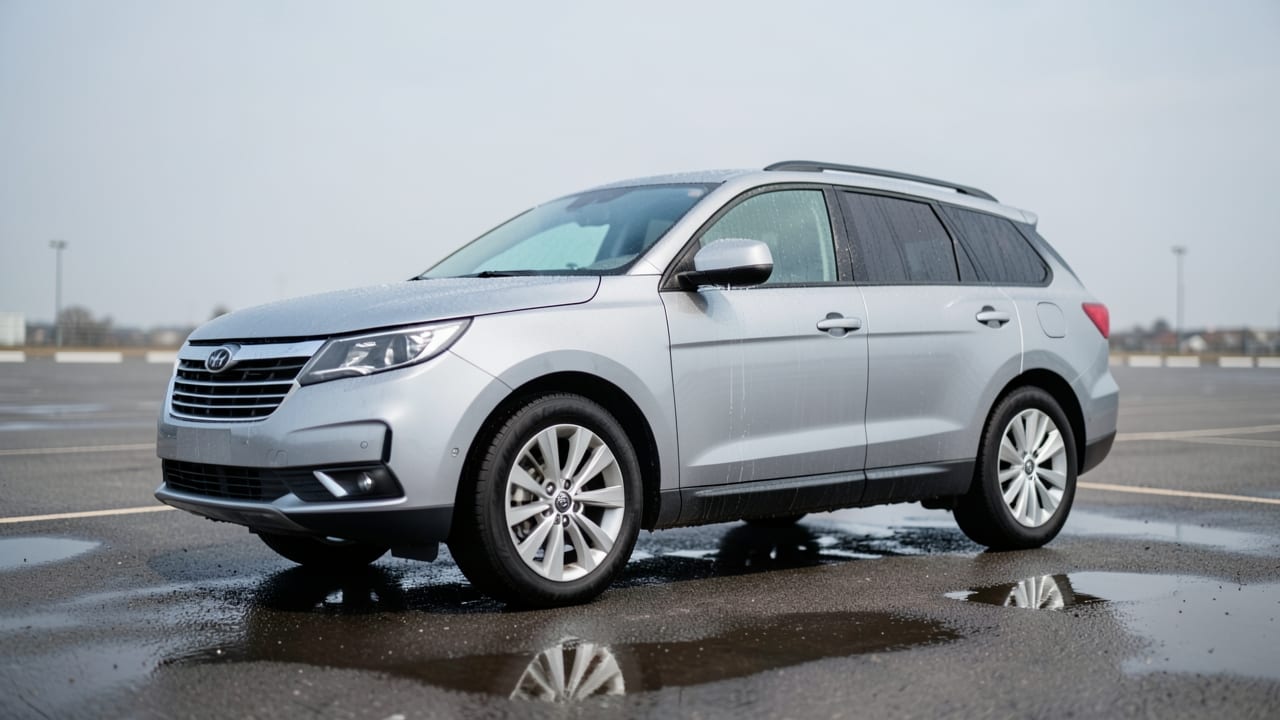
Annual Ceramic Maintenance Wash in Houston, TX
Professional cleaning and reapplication of ceramic coatings to preserve paint protection.
Learn More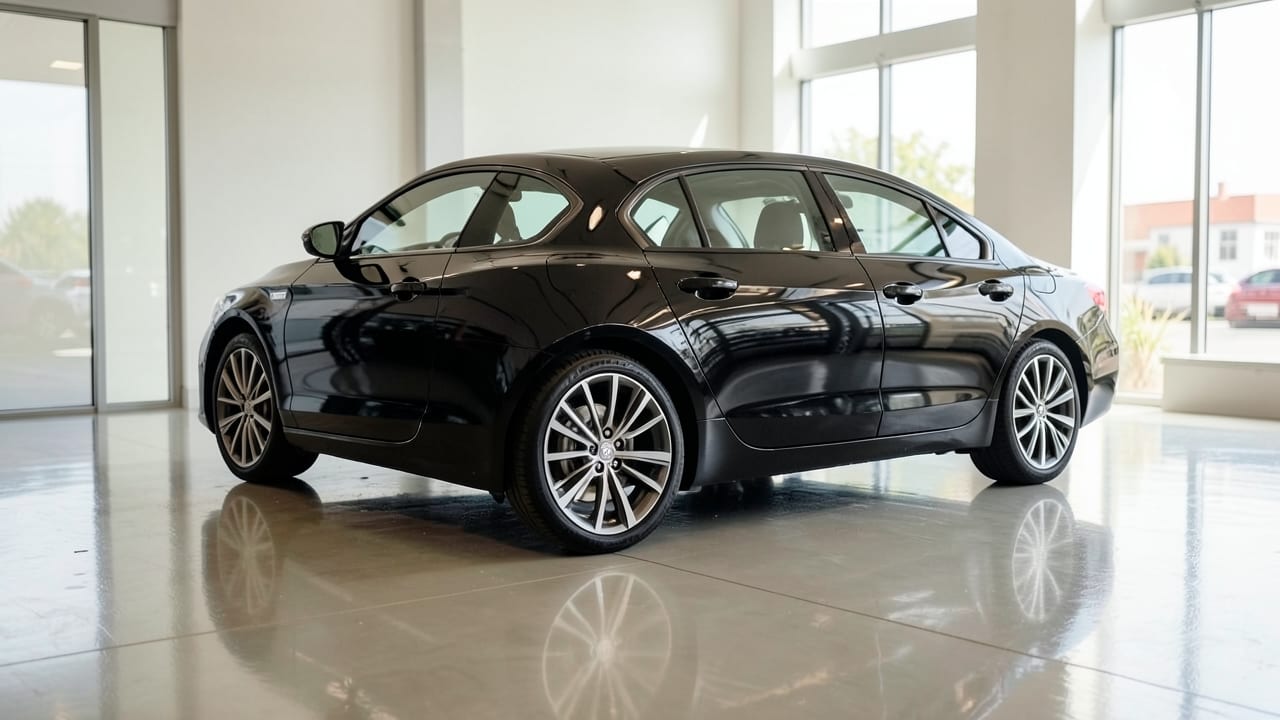
Pre-Event Showroom Gloss Enhancement in Houston, TX
Professional ceramic coating application to enhance vehicle paint gloss before events.
Learn MoreCommon Questions About Ceramic Coating in Houston
Everything you need to know about ceramic coating services in Houston
How much does Motorcycle Ceramic Coating typically cost in Houston, TX?
Does intense UV and dust in Houston, TX change coating maintenance?
Will a ceramic coating stop rock chips or scratches?
What's the actual difference between wax, paint sealant, and ceramic coating?
Can ceramic coating be applied at home instead of by a detailing shop?
How long does a ceramic coating actually last in real-world use?
Need Ceramic Coating in Houston?
Get a written quote from our Houston crew.
⏰ We answer your call • Serving all of Houston and surrounding areas